Somatoemotional Release (SER) is a component of Craniosacral Therapy. SER is not a specific technique; rather, it can occur as the body restores its normal craniosacral rhythmic patterns. The idea behind SER is that the body holds onto the residual physical and emotional energies that cannot be fully dissipated or processed at the time they occur. The energy is stored in the body’s tissues and remains there until released. This release may occur naturally within the flow of life when the space and opportunity to express these energies arise. At other times, however, we may need to intentionally work with these energies to allow them to release.
In Craniosacral Therapy, we call the accumulation of this unprocessed energy an “energy cyst.” These energy cysts are not the type of cyst that would show up on imaging, but their energetic presence is palpable. They appear as some type of disruption in the body’s normal physiological processes. This area may feel like an energetic density, an increased activity that doesn’t match normal physiological movement, or it could feel like an absence or decrease in vitality. The body needs to expend its own energy to maintain the energy cysts. I say that not because we have a definitive way to measure this energy expenditure, but because releasing part or all of the energy cyst often coincides with the client reporting a relief of symptoms and improved well-being. Identifying, acknowledging, and allowing the energy cysts to have a somatoemotional release seems to be a part of the therapeutic process.
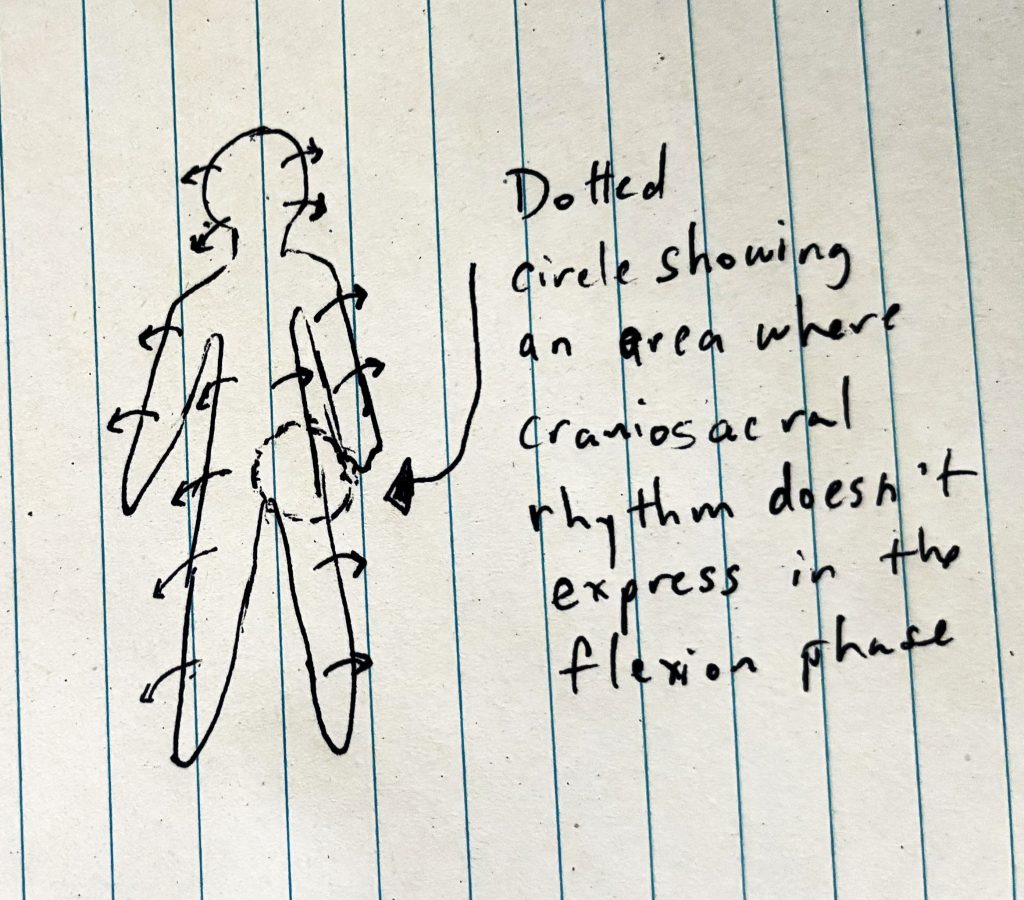
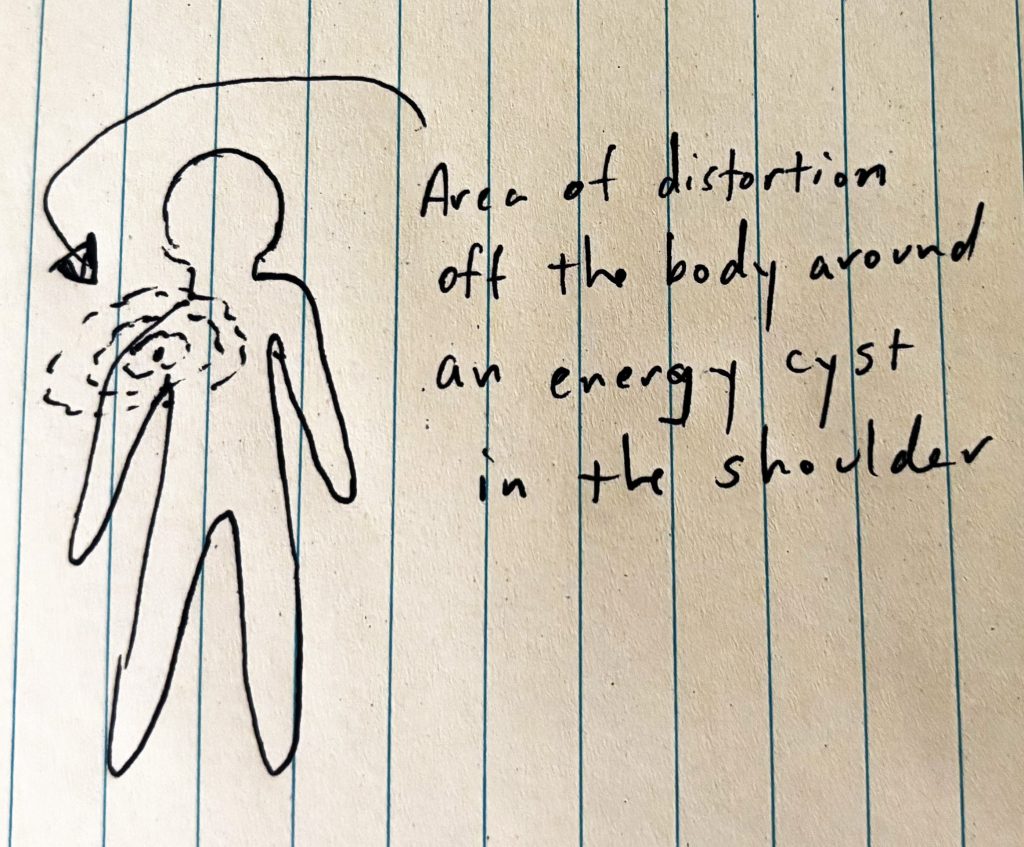
Examples of ways potential energy cysts may show up to a therapist
Energy Cyst Release
How does a somatoemotional release of an energy cyst occur? Anything that brings awareness to that part of the body and allows for subsequent expression can help release an energy cyst. That can be physical movement, Energy Meditation, singing, artistic expression, chanting, talk therapy, yoga, journaling, bodywork, acupuncture, and the list continues on. For Craniosacral Therapy, specifically, improving the flow and balance of the cerebrospinal fluid, myofascial release, body awareness, and dialogue are some of the primary ways to work with an energy cyst.
In a CST session, there can be physical tissue releases and sensations without an emotional component. At other times, the client may have a new or deeper awareness or experience emotions along with physical tissue releases.
Somatoemotional releases can be subtle and occur without verbal communication between the client and therapist. Clients may report experiencing physical sensations, emotions, imagery, colors, or memories as the energy cyst is releasing. I was recently working with a client who had an energy cyst in their abdomen. There was a palpable sense of sadness. Visually, I could see by the expression on their face that they were having an emotional experience. We did not have a verbal exchange, and I continued to follow the tissue as it released.
As the tissue movement came to completion, the sense of sadness lifted. After the session, the client shared they had experienced memories of their childhood. They recalled many joyful times, but also many times where their basic needs were not met. There was sadness that they never felt safe around their parents. They had been unaware of the emotional impact those memories still had as an adult. Simply acknowledging this without trying to change it or push it away allowed them to feel a lightness, a sense of peace, and experience deeper self-awareness.
Communication and Somatoemotional Release
Verbal expression and dialogue between the client and Craniosacral Therapist can also be an important part of a somatoemotional release. Several years ago, I began coaching an endurance athlete who was unable to compete in their cycling events. They were experiencing excessive fatigue and a variety of health problems that prevented them from training. They had a team of healthcare providers who had helped them tremendously, and we had made progress from a coaching standpoint by slowly building up their training and monitoring physiological markers. After some early improvement, however, they had become stagnant in their progress. We decided to try a Craniosacral Therapy session. During the session, we noticed a large energy cyst in their pelvis. When I asked them to bring their awareness to their pelvis, they immediately opened their eyes and said, “I know what it is.”
They went on to share that they were unhappy in their relationship. For many years, they had been adjusting their lifestyle to try to minimize the impact of their partner’s drinking habits. The strain on their relationship had been steadily increasing. They now found themselves instinctively hiding when their partner came home to avoid conflict. As they shared this, the energy cyst had a felt sense of releasing and softening. Verbally sharing this was important and empowering for the client. They went on to make several major life changes in the coming months, including leaving their relationship. With these changes, their health and energy levels began to improve.
Somatoemotional releases do not occur in every Craniosacral Therapy session. A client does not need to experience an SER to benefit from Craniosacral work. Bringing the Craniosacral System into improved flow and balance can improve health and well-being. If a somatoemotional release does occur, however, it is often an important step in improving the physiological function of the body. SERs can span the spectrum from subtle awareness to more intense emotional experiences. The emotional release and awareness seem to free up internal space and resources for personal change, whatever that may mean for the client.
